How Do I Get a Second Opinion on Surgery? A Step-by-Step Guide
To get a second opinion on a surgery, ask your current doctor for a referral (or choose an independent specialist yourself), confirm your insurance coverage, gather your imaging and medical records, book a consultation with a surgeon who treats your condition, and bring a list of questions. Then compare the two recommendations side by side.
Being told you need surgery can leave you with more questions than answers. A second opinion is a normal, expected step in serious medical decisions, especially when surgery involves the brain, spine, or nerves. It is not a sign of distrust. It is a way to make sure the diagnosis is right and every reasonable option has been considered.
This guide walks through how to do it, from the first conversation to comparing two recommendations.
When Should You Get a Second Opinion Before Surgery?
Not every procedure needs one, but a second opinion is especially worth considering when:
- You have been told you need major or complex surgery, such as spinal fusion, a craniotomy, or brain tumor surgery.
- Surgery has been presented as your only option, or you feel rushed to decide.
- You have been told your condition is “inoperable” or that there is nothing more to be done.
- Your diagnosis is unclear, or your symptoms don’t match the explanation you were given.
- You want to understand non-surgical alternatives first.
- The procedure carries significant risk, a long recovery, or permanent consequences.
- You simply want confidence before committing.
When not to wait: If your doctor says your condition is an emergency, such as a rapidly worsening neurological problem, follow their guidance and get care right away. A second opinion is for decisions where there is time to make one.
How to Get a Second Opinion on Surgery: 8 Steps
1. Ask your current doctor or surgeon (or don’t)
Many patients worry this will feel awkward. Doctors hear these requests regularly, and many will help by sending your records or suggesting a colleague. You can say something like:
“I’d like to make sure I fully understand my options before surgery. Can you recommend another neurosurgeon to review my case, and can your office send my records?”
You are also free to choose your own second-opinion provider. An independent physician with no connection to your first surgeon can offer a fresh perspective.
2. Choose the right kind of specialist
For a neurosurgical recommendation, look for a board-certified neurosurgeon who treats your specific condition. A second opinion on spine surgery, for example, should come from someone who regularly evaluates and operates on spinal conditions. Consider whether the specialist:
- Is board certified in the relevant specialty
- Reviews your imaging personally rather than delegating it
- Discusses non-surgical options as well as surgical ones
- Offers in-person and remote consultations if travel is difficult
3. Check your insurance coverage
Call the number on your insurance card and ask:
- Is a second opinion covered, and is it required for this procedure?
- Do I need a referral or prior authorization?
- Is the doctor I’m considering in-network? What are my out-of-network benefits?
- Are telehealth second opinions covered?
Coverage varies widely. Some plans require a second opinion for certain procedures, and some pay for a third if the first two disagree. Medicare Part B may help pay for a second opinion on a medically necessary surgery, so review the details of your own plan.
4. Gather your records and imaging
The more complete your records, the more useful the second opinion. Collect:
- MRI, CT, and X-ray images (the actual image files, not only the written reports)
- Radiology and imaging reports
- Office notes and your diagnosis from the recommending surgeon
- Test results, such as nerve studies or lab work
- Previous treatments, including physical therapy, injections, and medications
- Prior operative and pathology reports, if you have had earlier surgery
- The written surgical recommendation, if you have one
Request copies from each provider’s medical records department. Imaging centers can usually provide scans on a disc or through a secure download link.
5. Book the consultation and send records ahead
Schedule early, because records can take time to transfer. Ask the new office how they want to receive imaging and how far in advance the surgeon reviews it. Then confirm that everything arrived before your appointment.
6. Prepare your questions
Bring a written list. Good questions include:
- Do you agree with my diagnosis?
- Is surgery necessary, and how urgent is it?
- What non-surgical options exist, and what happens if I wait?
- What are the risks, benefits, and realistic outcomes of this procedure?
- Is there a different surgical approach or technique?
- How much experience do you have with this procedure?
- What does recovery look like?
Try not to lead the second surgeon toward a particular answer. Share the facts and the first recommendation, then let them give an independent assessment.
7. Attend the appointment (in person or by video)
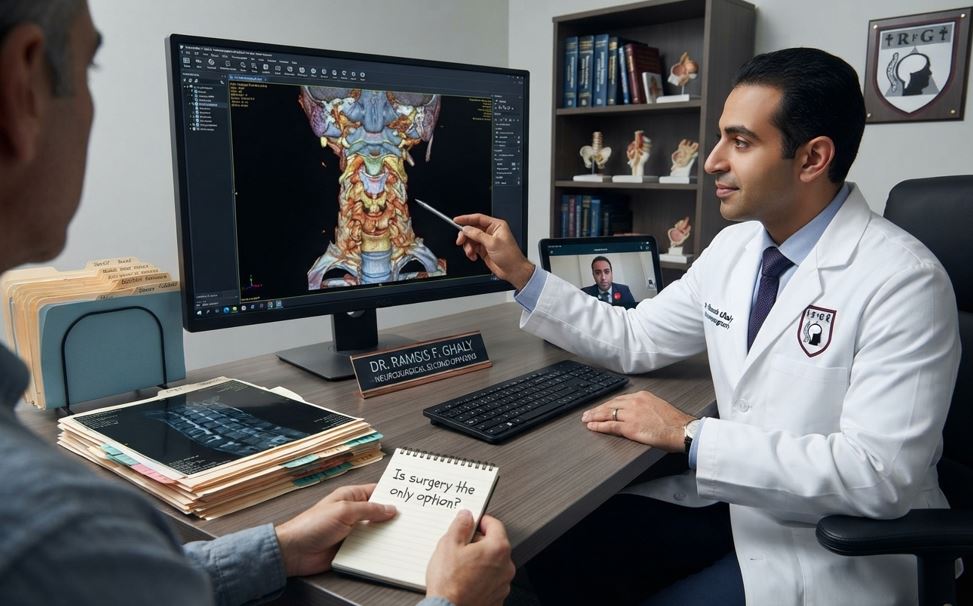
Depending on your condition, the second opinion may take place in person, where a physical exam is possible, or over secure video after the surgeon reviews your records. Take notes, or bring a family member to help you remember what was said.
8. Compare the recommendations and decide
Line up both opinions and look at:
| What to compare | Opinion #1 | Opinion #2 |
| Diagnosis | ||
| Recommended treatment | ||
| Surgical vs. non-surgical options | ||
| Risks and expected outcome | ||
| Recovery timeline | ||
| Your comfort with the surgeon |
What If the Two Opinions Disagree?
Disagreement doesn’t mean one doctor is wrong. Surgeons sometimes weigh factors differently or favor different approaches. If the opinions conflict:
- Ask each surgeon to explain their reasoning. The “why” often reveals whether the difference is about diagnosis, timing, or technique.
- Look for missing information. A scan, report, or test result may not have reached both doctors.
- Consider a third opinion, especially if the stakes are high.
- Choose the surgeon you trust and understand. You decide who performs your surgery.
In-Person vs. Remote Second Opinions
| In-person | Remote (video and records review) | |
| Physical exam | Yes | Not possible, so an in-person visit may be recommended when an exam is needed |
| Best for | Cases where hands-on evaluation matters | Patients out of state, abroad, or unable to travel |
| Imaging review | In the office | Uploaded or sent in advance |
| Insurance | Often billed like a standard visit, depending on your plan | Often out-of-pocket |
A remote review can be a practical way to reach a specialist who isn’t nearby, and it lets you start the process while you are still gathering records.
Second Opinion vs. Medical Records Review: What’s the Difference?
A medical records review organizes and analyzes your records, imaging, and reports. It can identify missing information and clarify what has already been done. A second opinion is a fresh clinical interpretation built on top of that reviewed information. Many patients start with a records review, then move to a second opinion. Learn more about medical records review.
Getting a Neurosurgical Second Opinion With Dr. Ramsis Ghaly
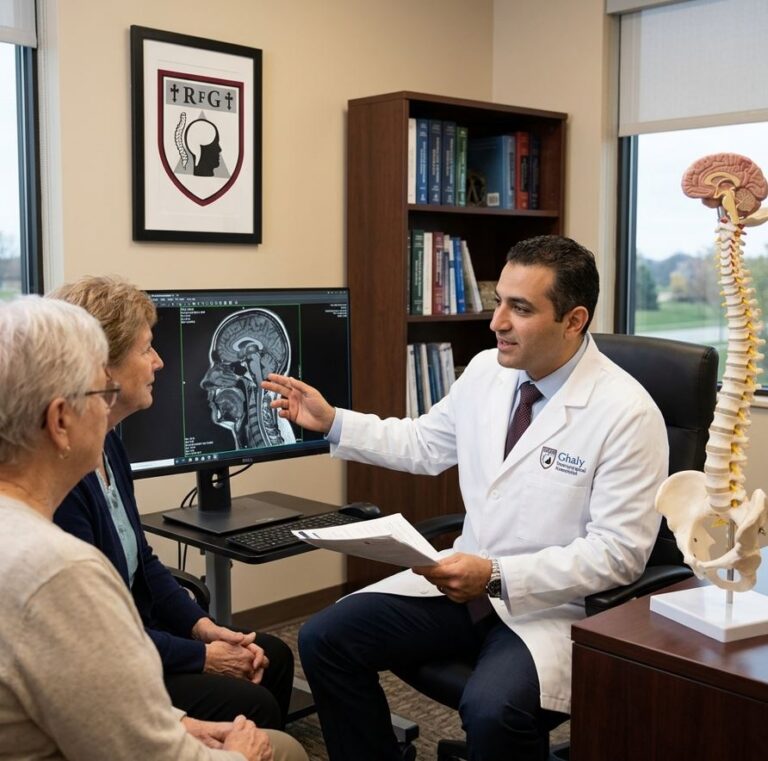
If you have been told you need brain, spine, or peripheral nerve surgery, Dr. Ramsis F. Ghaly offers dedicated neurosurgical second opinions from his Aurora, Illinois office and by secure video. Dr. Ghaly is a board-certified neurosurgeon and clinical professor, a Diplomate of the American Board of Neurological Surgeons, and personally reviews your imaging and history before your consultation.
Second opinions are available for conditions such as:
- Brain: brain tumors, aneurysms, hemorrhage, Chiari malformation, and craniotomy recommendations. See brain surgery.
- Spine: spinal fusion, herniated or bulging discs, spinal stenosis, and cervical or lumbar procedures. See spinal surgery.
- Peripheral nerve: carpal tunnel and ulnar tunnel recommendations. See carpal tunnel surgery.
How it works:
- Reach out by calling the office or requesting an appointment online.
- Share your records and imaging (MRI, CT, X-ray) and your current treatment recommendation.
- Case review: Dr. Ghaly reviews your imaging and history before your consultation.
- Consultation: meet in person in Aurora or through secure telehealth.
- Your recommendation: receive a clear assessment of your diagnosis and options.
No referral is required to request a second opinion. Virtual second opinions are an out-of-pocket expense and are not billed through insurance, and coverage for in-person visits depends on your plan, so contact the office to confirm.
Ready to talk it through? Request an appointment online or call 630-978-6143 or 630-578-7500 (Mon–Fri, 9:00 AM–5:00 PM; weekend appointments by request).
FAQs
Will my doctor be offended if I ask for a second opinion?
Rarely. Second opinions are a standard part of care for serious decisions, and many surgeons welcome an informed patient.
Do I need a referral for a second opinion?
It depends on your insurance plan. Some plans require one and others don’t. Dr. Ghaly’s office does not require a referral to request a second opinion.
Does insurance cover a second opinion before surgery?
Often, but not always. Some plans cover it and some require it, and coverage for out-of-network or virtual opinions may differ. Call your insurer before scheduling.
How long does it take to get a second opinion?
It varies. The main factor is how quickly your records and imaging reach the second office. Ask about current wait times when you contact the practice.
Can I get a second opinion after surgery?
Yes. If you have questions about your results or next steps, start with your operating surgeon, then seek another opinion if you still want one.
Should I tell my first surgeon I’m getting a second opinion?
It is usually helpful, since they can send your records. But you are not required to, and you can request your records yourself.
Can I get a second opinion online?
Yes. Many patients start with a remote records review or video consultation, particularly when they live far from a specialist. A remote review can’t replace a physical exam when one is needed.
Is a second opinion worth it?
It can confirm your diagnosis and plan, reveal alternatives, or help you feel more confident. Either result gives you better information before a major decision.
What if I don’t have time for a second opinion?
If your doctor says the condition is an emergency, follow their instructions. For non-emergency surgery, a brief pause to get another opinion is usually reasonable. Ask your surgeon how long you can safely take.
The Bottom Line
Getting a second opinion on surgery means asking for a referral or choosing a specialist, checking insurance, gathering your records, asking good questions, and comparing what you hear. Taking a few weeks to be sure is often worth it, especially for brain, spine, and nerve surgery.
If you would like a board-certified neurosurgeon to review your case, request an appointment with Dr. Ghaly or learn more about the medical second opinion service.
This article is for general education and is not medical advice. It does not create a doctor-patient relationship. Talk with a qualified physician about your specific condition. If you are experiencing a medical emergency, call 911.