Is Carpal Tunnel Surgery a Major or Minor Surgery?
Carpal tunnel release is generally classified as a minor surgery. It is a short outpatient procedure, usually done with local anesthesia or light sedation, and you go home the same day. “Minor” describes the operation, though, not your recovery. Your hand still needs time to heal, and the right choice depends on your nerve, your symptoms and your work.
If numbness, tingling or weakness in your hand is keeping you up at night, this guide explains what the surgery involves and how to decide whether it is time.
Why Carpal Tunnel Surgery Is Considered Minor
Surgeons call a procedure minor when it is brief, uses a small incision, avoids general anesthesia when possible, and does not require a hospital stay. Carpal tunnel release meets those criteria:
- Outpatient: Patients typically go home the same day.
- Short: The operation usually takes about 10 to 20 minutes.
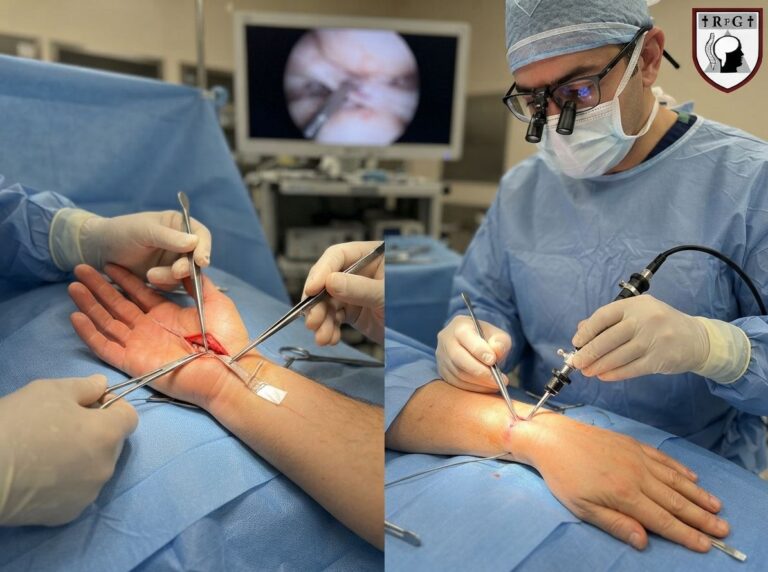
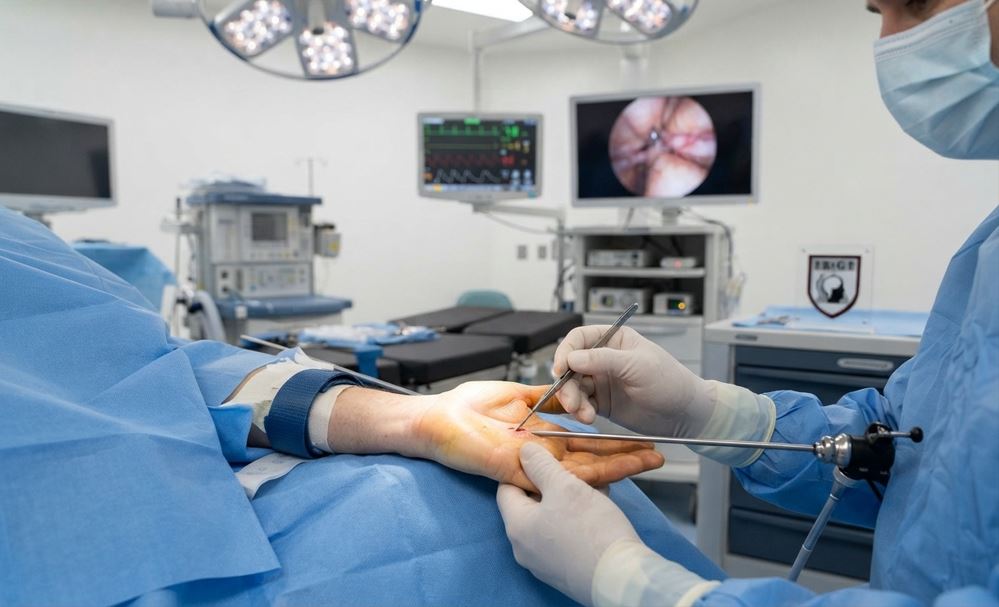
- Small incision: Open release uses a short incision in the palm. Endoscopic release uses one or two small incisions and a camera.
- Light anesthesia: Local anesthesia or light sedation is typical. General anesthesia is uncommon.
- Simple goal: The surgeon divides the transverse carpal ligament, the “roof” of the carpal tunnel, to take pressure off the median nerve.
This is also among the most common hand and nerve procedures. Roughly 600,000 carpal tunnel releases are performed in the United States each year.
Why “Minor” Doesn’t Mean “No Big Deal”
Any surgery involves a real incision, real healing and real risk. Researchers who interviewed patients after carpal tunnel release found that many expected an easy procedure and were surprised by the disability in the first days and weeks. Planning ahead helps.
| Minor surgery (this procedure) | Major surgery (for comparison) | |
| Setting | Outpatient | Hospital, often with overnight stay |
| Anesthesia | Local or light sedation | Usually general |
| Duration | Roughly 10–20 minutes | Often hours |
| Incision | Small | Larger, deeper access |
| Recovery | Days to weeks for daily tasks; months for full strength | Weeks to months, often more supervised |
Open vs. Endoscopic Carpal Tunnel Release
Both approaches divide the same ligament and are highly effective. The difference is how the surgeon reaches it.
Open carpal tunnel release uses a short incision in the palm. The surgeon sees the ligament and nerve directly.
Endoscopic carpal tunnel release uses a thin camera (endoscope) through one or two small incisions. It may cause less pain and allow faster healing, though it requires specialized instruments and experience.
Dr. Ghaly performs both, and the choice depends on your anatomy, the severity of your compression and your goals. Learn more on our carpal tunnel surgery page.
Recovery: What to Realistically Expect
Recovery varies by procedure, hand dominance, job and how long the nerve was compressed.
- First days: Soreness, a bandage or splint, and swelling. Many people with desk jobs return to light activity within days.
- 1–2 weeks: Stitches are typically removed. People whose work doesn’t involve repetitive hand use often return in about 7 to 14 days.
- Repetitive or heavy work: Return can take 6 to 8 weeks or longer, especially after open surgery on the dominant hand.
- 3–4 months: Most of the recovery is complete.
- Up to a year: Grip strength can take this long to return, and longer if the nerve was compressed for a long time.
Your surgeon’s instructions matter more than any general timeline.
Risks and Possible Complications
Carpal tunnel release has a strong safety record, but no surgery is risk-free. Possible risks include:
- Infection or wound problems
- Scar tenderness
- Nerve or blood vessel injury (rare)
- Incomplete release, or symptoms that return
- Stiffness or slow return of grip strength
- Anesthesia-related reactions
An experienced surgeon reduces these risks, and a careful review of your health history helps too.
Who Should Consider Surgery?
Surgery is usually considered after conservative treatment, such as wrist splints, activity changes or a corticosteroid injection, has not given enough relief. Consider a surgical evaluation if you have:
- Numbness or tingling that keeps returning or wakes you at night
- Weakness, dropping objects or trouble with buttons and grip
- Muscle wasting at the base of the thumb
- Nerve testing showing median nerve compression
- Symptoms that interfere with work or sleep
Prolonged compression can cause lasting nerve damage, so don’t wait for symptoms to become severe.
Why See a Neurosurgeon for Carpal Tunnel?
Carpal tunnel syndrome is a nerve condition, and symptoms in the hand can come from the neck, the elbow or other nerves. Dr. Ramsis Ghaly is a board-certified neurosurgeon with more than 30 years of experience treating the brain, spine and peripheral nerves. He reviews your imaging and history, explains nonsurgical options first, and recommends surgery only when it is the right choice for you.
Have hand numbness or a surgery recommendation? Request an appointment or call 630-978-6143 or 630-578-7500. Our office is at Fox Valley Office Commons, 4260 Westbrook Dr., Suite 127, Aurora, IL 60504.
Not Sure Surgery Is Right? Get a Second Opinion
If you’ve been told you need surgery, or you’re unsure whether your symptoms come from the wrist, you can get an independent review before deciding. Dr. Ghaly offers medical second opinions, telehealth consultations and medical records review for patients in Aurora, Naperville, Chicagoland and beyond.
Frequently Asked Questions
Is carpal tunnel surgery considered major surgery?
No. It is generally considered minor outpatient surgery. Recovery still takes weeks to months, and it carries surgical risks.
How long does carpal tunnel surgery take?
The procedure typically takes about 10 to 20 minutes. Plan for additional time for check-in and recovery.
Do you go under general anesthesia?
Usually not. Local anesthesia or light sedation is typical.
Is carpal tunnel surgery painful?
You should not feel pain during the procedure. Soreness afterward is normal and generally manageable, and your surgeon will explain pain control.
How long is recovery after carpal tunnel surgery?
Light activity often resumes within days. Return to repetitive or heavy work can take weeks, and full grip strength can take up to a year.
Can both hands be done at once?
It is possible in some cases, but many patients do one hand at a time so they can manage daily tasks. Discuss this with your surgeon.
Is endoscopic surgery better than open?
Endoscopic release may mean less pain and faster healing, but outcomes for both are similar. The best option depends on your case.
When is carpal tunnel bad enough for surgery?
When splints, activity changes or injections don’t help, or when you have constant numbness, weakness or muscle wasting.
Can carpal tunnel come back after surgery?
It’s uncommon, but symptoms can persist or recur, especially with severe or long-standing compression.
Do I need a referral to see Dr. Ghaly?
Many patients schedule directly. Call the office to confirm what applies to you.
Take the Next Step
Ongoing numbness or weakness is worth evaluating before it becomes permanent. Request an appointment with Dr. Ghaly or call 630-978-6143.
This article is for general education and is not medical advice. Individual results vary. Consult a qualified physician about your condition.