
When Should You Get a Neurosurgical Second Opinion?
If a doctor has just told you that you need brain or spine surgery, you are probably not thinking clearly about SEO or search results you are thinking about whether this is really necessary, whether it’s safe, and whether there’s another way. That uncertainty is exactly when a neurosurgical second opinion earns its place in your care.
You should consider a neurosurgical second opinion any time you’ve been told you need brain, spine, or peripheral nerve surgery especially if the recommendation feels rushed, your condition has been labeled “inoperable,” you want to explore non-surgical alternatives, or the procedure is major (such as spinal fusion, craniotomy, or aneurysm repair). The only exception is a true medical emergency such as sudden loss of bladder or bowel control, a rapidly worsening neurological deficit, or “the worst headache of your life” where you should seek immediate emergency care instead of waiting for a second opinion.
Below is a complete breakdown of when a second opinion makes sense, when it doesn’t (because time truly matters), and exactly how to get one from a board-certified neurosurgeon, in person or from anywhere in the world.
What Is a Neurosurgical Second Opinion, Exactly?
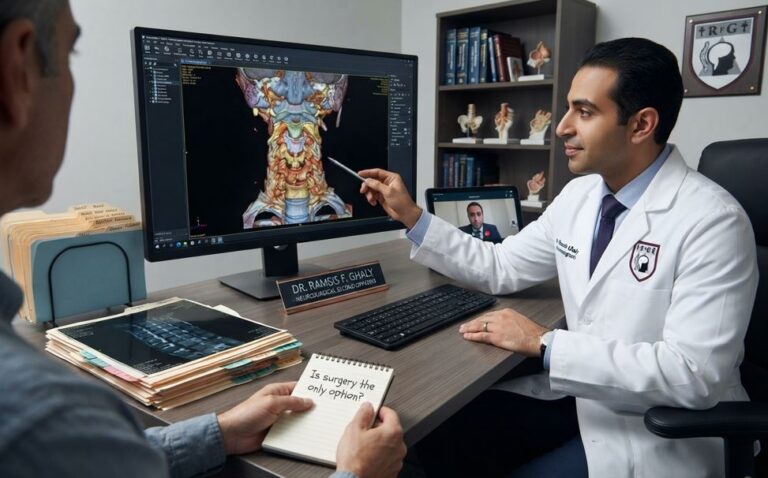
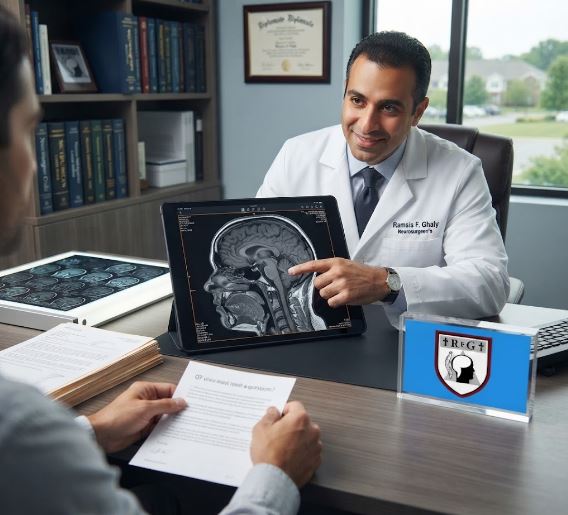
A neurosurgical second opinion is an independent review of your diagnosis and treatment plan by a different neurosurgeon someone who did not make the original recommendation and has no stake in it. That surgeon reviews your imaging (MRI, CT, X-ray), your history, and the treatment plan you’ve been given, and tells you honestly whether they agree, disagree, or see options you haven’t been offered yet.
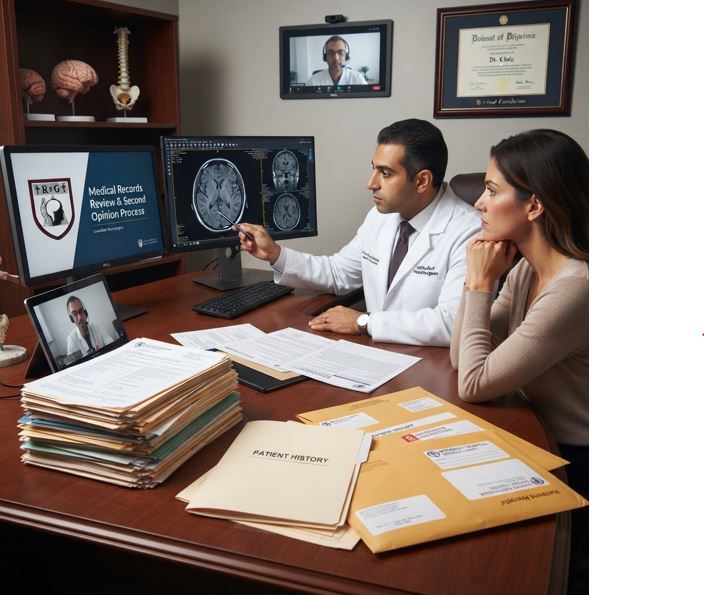
It’s worth noting this is different from a medical records review, which is a broader organization and analysis of your medical history and records (useful when you’re “lost in the system” or your records are scattered across providers), and different from a routine follow-up visit. A second opinion is specifically a fresh clinical judgment on a diagnosis or a surgical recommendation you’ve already received.
Getting a second opinion doesn’t mean you distrust your current doctor. It means you’re making sure every reasonable option has been considered before something as significant as brain, spine, or nerve surgery.
Why This Question Matters More in Neurosurgery Than in Most Other Fields
Neurosurgery carries higher stakes and less room for error than many other specialties a missed alternative or an overly aggressive recommendation can mean an unnecessary operation, a longer recovery, or a permanent complication. The research on this is genuinely striking:
- A scoping review of studies on spine surgery second opinions found that roughly 4 in 10 spine consultations were second-opinion cases, and of those, a majority received a discordant opinion meaning the second surgeon disagreed with some part of the first plan. The large majority of those disagreements pointed toward conservative, non-surgical management rather than confirming the need for surgery as originally proposed. A scoping review found that about 40.6% of spine consultations are second-opinion cases, that 61.3% of those received a discordant second opinion, and that 75% of the discordant opinions recommended conservative management instead of the originally proposed surgery.
- Some spine-focused second opinion programs report that roughly one in three patients end up changing their treatment plan after getting an outside review, and that a meaningful share of recommended spine surgeries may be avoidable with the right conservative care first. Some second opinion programs report that a significant portion of recommended spine operations may be avoidable with appropriate conservative care, and that roughly one in three patients change their treatment plan after a second specialist review.
- Neurology and neurosurgery specialists themselves encourage it. A Mayo Clinic neurologist has advised that when surgery is presented as the only option, that is a signal it may be time to get a second opinion.
- Even in urgent-feeling situations, there’s often more time to think than patients realize. A brain tumor specialist has noted that many patients don’t realize how much time they typically have to consider next steps after an imaging diagnosis of a possible brain tumor, since that information isn’t always communicated to them upfront.
In plain terms: getting a second opinion before major neurosurgery isn’t excessive caution it’s a well-supported step that changes outcomes for a meaningful number of patients.
Signs It’s Time to Get a Second Opinion
You don’t need a “perfect” reason to request a second opinion. But certain situations make it especially worthwhile:
Related to the recommendation itself
- You’ve been told surgery is your only option, with no alternatives discussed
- You feel rushed or pressured to decide quickly on a non-emergency case
- You’ve been told your condition is “inoperable” or that “nothing can be done”
- The recommended procedure is major spinal fusion, craniotomy, aneurysm repair, tumor resection
- You want to understand non-surgical alternatives before committing to the operating room
Related to your comfort and the process
- Your surgeon can’t clearly explain how the procedure addresses the source of your symptoms, or discourages questions and second opinions rather than welcoming them A well-regarded spine-care red-flag list warns that a surgeon who discourages a second opinion, or seems threatened by the idea, is a warning sign worth taking seriously
- You were referred to a specific surgeon under unusual circumstances (for example, a referral tied to an attorney, insurer, or unrelated financial relationship) and something feels off Clinicians who write about second opinions note that a referral that appears to be driven by economic incentives, rather than medical need, is itself a reason to seek an outside review
- You haven’t been able to verify your surgeon’s board certification, hospital affiliations, or experience with your specific procedure
Related to your situation
- Your insurance plan mandates a specific in-network provider, but you want an independent expert’s view before proceeding
- You want peace of mind before a life-changing procedure, even if you already trust your surgeon
- Your symptoms or imaging findings are unusual, rare, or complex enough that a specialist’s second look would add real value
If any of this sounds like you, a second opinion is a reasonable, well-supported next step and you have the right to ask for one at any point in your care.
When You Should Not Wait for a Second Opinion
A second opinion is valuable, but it is not appropriate to pursue instead of emergency care. Certain symptoms mean you should go to the emergency room immediately, not schedule a consultation:
| Seek emergency care now if you have: | Because: |
|---|---|
| Sudden loss of bladder or bowel control | Can signal spinal cord or cauda equina compression requiring urgent surgery |
| Rapidly worsening weakness or numbness | May indicate progressive nerve or spinal cord damage |
| The “worst headache of your life,” sudden and severe | Classic warning sign of a ruptured brain aneurysm |
| Sudden loss of consciousness or confusion | May indicate bleeding, stroke, or acute brain injury |
| Significant head trauma, even if you feel fine afterward | Swelling can build silently for hours before symptoms appear |
For everything short of these red-flag symptoms a scheduled surgery recommendation, a diagnosed tumor being monitored, a spine condition being managed over weeks or months there is almost always time to pursue a second opinion the right way.
Second Opinions by Condition: Brain, Spine, and Peripheral Nerve
Brain conditions. A second opinion is commonly sought for brain tumors, aneurysms not requiring emergency treatment, Chiari malformation, and craniotomy recommendations. Because treatment for these conditions can include surgery, radiation, chemotherapy, or a combination, a second neurosurgeon can help you understand whether the proposed path truly fits your diagnosis. Learn more about the conditions Dr. Ghaly evaluates on the brain surgery page.
Spine conditions. Spinal fusion, cervical laminectomy, lumbar disc surgery, and treatment for spinal stenosis or herniated discs are among the most common reasons patients seek a second opinion — partly because, as the research above shows, so many spine cases resolve with conservative care instead. See more on spinal surgery options and non-surgical alternatives.
Carpal tunnel and peripheral nerve conditions. Even though carpal tunnel and ulnar tunnel release are less invasive than brain or spine surgery, a second opinion can still confirm the diagnosis and rule out other causes of the same symptoms before you commit to surgery. See carpal tunnel surgery for details.
What to Expect During a Neurosurgical Second Opinion
A well-run second opinion follows a clear process:
- Reach out. Call the office or start the process online to request a second opinion consultation.
- Share your records. Send your imaging (MRI/CT/X-ray) and your current treatment recommendation securely.
- Case review. The reviewing neurosurgeon personally examines your imaging and history ideally before your consultation, not during it.
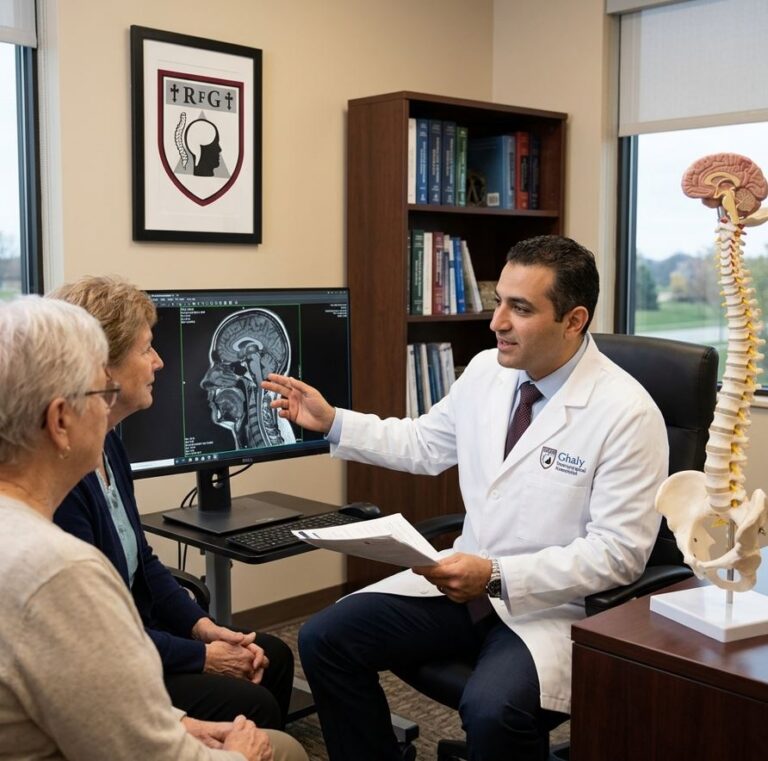
- Consultation. You meet in person or via secure video to discuss findings, questions, and options.
- Your recommendation. You leave with a clear, honest assessment of your diagnosis and the treatment paths available to you.
You can see this exact process, and request a consultation directly, on the Medical Second Opinion page.
In-Person or Virtual? Choosing the Right Format
Not everyone can travel to Aurora, IL for an initial evaluation, which is why a second opinion doesn’t have to mean an in-person visit:
- In-person second opinion includes a physical exam and direct in-office review of your imaging. Often billed through insurance similarly to a standard office visit.
- Virtual (telehealth) second opinion a secure video consultation to review your imaging, history, and treatment plan from anywhere in the country or internationally. This is typically an out-of-pocket expense, since it isn’t billed through insurance the way an in-person visit is.
If your case involves a new or rapidly changing symptom, an in-person exam is usually the safer starting point. For most patients reviewing an existing diagnosis and treatment recommendation, telehealth is a fast, effective way to get expert input without travel. Learn more about neurosurgery telehealth consultations.
If Your Insurance Mandates a Specific Provider
Many patients discover that their insurance plan restricts them to certain in-network neurosurgeons, which can feel like it limits their ability to seek an outside opinion. You still have options:
- Review your policy for out-of-network benefits. Some plans cover out-of-network second opinions, at least partially.
- Ask about single-case agreements. Insurers will sometimes authorize an out-of-network specialist for a single consultation.
- Consider a virtual second opinion as an out-of-pocket option when your plan won’t cover an outside in-network provider this keeps the cost and logistics manageable while still giving you an independent expert’s perspective.
You have the right to advocate for your own care, regardless of what your insurance network looks like.
How to Prepare for Your Second Opinion Consultation
Come prepared and you’ll get more value out of the visit:
- Your MRI, CT, or X-ray imaging (physical disc or digital file)
- Radiology reports connected to that imaging
- Your current surgeon’s notes and diagnosis summary
- A list of any non-surgical treatments already tried (physical therapy, injections, medication)
- A current list of medications and dosages
- Your insurance card
- A written list of your own questions
Questions Worth Asking During Your Second Opinion
- Is surgery truly the only option, or are there conservative treatments I haven’t tried yet?
- Does the imaging finding actually match my specific symptoms?
- What are the realistic risks, benefits, and expected outcomes of this procedure?
- What happens if I choose to wait or try non-surgical treatment first?
- How much experience does this surgeon personally have with my specific procedure?
A surgeon who welcomes these questions is a good sign. One who avoids them is information in itself.
Why Patients Choose Dr. Ghaly for a Neurosurgical Second Opinion
- Board certified in 5 clinical specialties, including Neurological Surgery, Neurocritical Care, and Pain Management
- 40+ years of surgical experience across brain, spine, and peripheral nerve conditions
- Personally reviews every case your imaging and history are reviewed by Dr. Ghaly himself, not delegated to a resident
- Affiliations with Cook County Health and Advocate Illinois Masonic Medical Center
- Both in-person and virtual options, so patients across Illinois and across the country can get an independent expert review without unnecessary delay
You can read more about his background and approach on the About Dr. Ghaly page.
Frequently Asked Questions
How soon after a surgery recommendation should I get a second opinion?
As soon as you feel uncertain there’s rarely a need to rush unless you have emergency symptoms (see the table above). Most elective brain and spine surgeries can safely wait the short time it takes to schedule and complete a second opinion.
Will asking for a second opinion upset my surgeon?
No. Reputable surgeons expect and welcome second opinions, especially before major procedures. A surgeon who discourages one is itself worth noting.
What if the two neurosurgeons disagree?
This happens more often than many patients expect. When opinions differ, it usually means there is more than one reasonable path forward which is exactly the clarity a second opinion is meant to provide. You can ask both surgeons to explain their reasoning, or seek a third opinion if you’re still unsure.
Can I get a second opinion for carpal tunnel or other peripheral nerve surgery, not just brain or spine?
Yes. While carpal tunnel and ulnar tunnel release are less invasive, a second opinion can still confirm the diagnosis and rule out other causes before you commit to surgery.
Do I need a referral to request a second opinion?
Typically no referral is required, though bringing your existing records and imaging makes your consultation more useful.
Is a virtual second opinion as thorough as an in-person one?
For most cases involving review of existing imaging and a treatment recommendation, yes. Cases needing a new physical exam may still call for an in-person visit.
What if I don’t have all my medical records yet?
That’s common. Start by requesting a second opinion or a medical records review, and the office can guide you on retrieving what’s missing.
You Don’t Have to Decide Alone
If you’ve been told you need brain, spine, or nerve surgery and you’re not fully at peace with that recommendation, that instinct is worth listening to. A second opinion costs you a little time and, in many cases, nothing more than an office visit but it can change the entire course of your care.
Request a Neurosurgical Second Opinion →
Available in person in Aurora, IL, or virtually from anywhere in the U.S. or internationally.