
Is It Worth Getting a Second Medical Opinion?
Yes, for most people facing a serious diagnosis, a surgery recommendation, or an unclear treatment plan, a second medical opinion is worth getting. Research shows second opinions change or refine the original diagnosis in a large share of cases, and in spine and brain surgery specifically, second-opinion reviews have found a meaningful percentage of recommended operations were unnecessary or not the right procedure. A second opinion rarely costs you anything but a little time, and it can save you from an operation, treatment, or risk you didn’t actually need.
Why So Many Patients Hesitate to Ask for One
Most people who consider a second opinion talk themselves out of it before they ever pick up the phone. The reasons are almost always emotional, not medical:
- “I don’t want to offend my doctor.” Experienced physicians are used to this request and rarely take it personally many even recommend it themselves.
- “It’ll take too long, and I want this resolved.” In most non-emergency situations, there is more time than it feels like. A rushed decision on major surgery is a bigger risk than a short delay to confirm it.
- “My insurance requires a specific provider.” Many plans still allow out-of-network or self-pay second opinions, especially through virtual consultations.
- “What if the two opinions disagree?” This is actually one of the most valuable outcomes disagreement is exactly the information you need before committing to surgery.
None of these are good reasons to skip a second opinion when the stakes are high. Here’s what the evidence actually says.
What the Research Shows About Second Opinions
The value of a second opinion isn’t just anecdotal it’s been studied directly:
- A Mayo Clinic study found that a large majority of patients seeking a second opinion up to 88% in the study’s findings received a new or refined diagnosis rather than an exact confirmation of the first one.
- Research out of Johns Hopkins on pathology second opinions found that a second review of tissue biopsy samples changed the diagnosis in roughly 7% of cases, shifting some findings from benign to malignant and others the opposite direction a difference that can completely change a treatment plan.
- In spine surgery specifically, published second-opinion studies (including work in Surgical Neurology International and a controlled trial published in BMC Musculoskeletal Disorders) have found that a substantial share of patients referred for surgery in some series, more than half were told by a second surgeon that the operation was unnecessary, was the wrong procedure for their case, or that nonsurgical treatment was more appropriate.
Numbers like these don’t mean your doctor is wrong or careless. Diagnosing and treating conditions of the brain, spine, and nervous system often involves genuine clinical judgment, not a single obvious answer. That’s exactly why a second, independent set of expert eyes matters particularly before something as significant as spine or brain surgery.
Considering a surgery recommendation for your brain, spine, or nerves? Request a neurosurgical second opinion with Dr. Ghaly before you decide.
When a Second Medical Opinion Is Worth Getting
A second opinion is generally worth pursuing if any of the following apply to your situation:
| Situation | Why a Second Opinion Helps |
| You’ve been told you need surgery | Confirms whether surgery is truly necessary and whether it’s the right type |
| Your diagnosis is unclear or doesn’t match your symptoms | A specialist may see something the first evaluation missed |
| You’ve been diagnosed with a rare, serious, or life-threatening condition | Ensures the diagnosis and plan reflect current, specialized expertise |
| You were told your condition is “inoperable” or has “no options” | A specialist second opinion can sometimes identify options that weren’t presented |
| You feel rushed or pressured into a fast decision | Gives you time and an independent perspective before committing |
| Your treatment carries major risk, or is invasive/experimental | Helps you weigh risk vs. benefit with a second clinical judgment |
| You’re not responding to treatment as expected | May reveal a different underlying cause or approach |
| Your insurance requires or allows a second opinion | Some plans mandate this before approving major procedures |
| You have multiple, overlapping medical problems | Complex cases benefit from a specialist reviewing the full clinical picture |
If you recognize your situation in more than one of these, it’s a strong sign that a second opinion is worth the time.
When It May Matter Less
A second opinion isn’t necessary for every visit. For minor, well-understood conditions, or in a true medical emergency, getting a second opinion first can create harmful delay rather than added value. In an emergency, treat first a second opinion, if wanted, can come during recovery or follow-up care instead.
Second Opinions Before Spine or Brain Surgery: Why This Category Is Different
Neurosurgical recommendations carry higher stakes than most other medical decisions. Brain and spine surgery are invasive, carry real risk, and are sometimes irreversible. This is also the category where second-opinion research has found some of the widest gaps between what one surgeon recommends and what another concludes is appropriate from disagreement over whether surgery is needed at all, to disagreement over which specific procedure is the right one for a given case.
If you’ve been told you need:
- A spinal fusion, lumbar disc surgery, or cervical spine surgery
- Craniotomy or brain tumor surgery
- Treatment for a brain aneurysm or Chiari malformation
- Carpal tunnel or peripheral nerve surgery
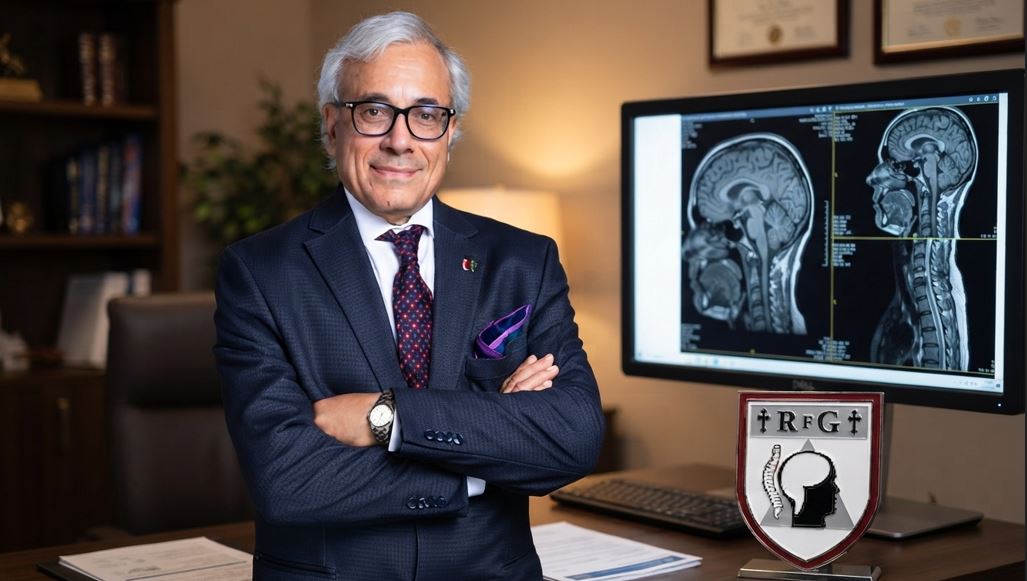
…it’s reasonable, and common, to want a second, independent neurosurgical opinion before scheduling anything. Dr. Ghaly’s second opinion service exists specifically for this situation: a personal review of your imaging and history by a board-certified neurosurgeon, not a delegate, followed by a clear, honest conversation about whether surgery is the right path or whether nonsurgical treatment should be considered first. You can learn more about the underlying brain surgery and spinal surgery procedures these second opinions most often address.
How a Medical Second Opinion Actually Works
Getting a second opinion is more straightforward than most patients expect:
- Request the consultation. Contact the office directly or complete an online form describing your condition and current recommendation.
- Share your records. Send your imaging (MRI, CT, X-ray), physician notes, and any prior treatment recommendations.
- Case review. The specialist reviews your history and imaging in detail before your appointment, not just during it.
- Consultation. Meet in person or via secure video to discuss the diagnosis, treatment options, and any disagreement with the original plan.
- Decide with confidence. Use the second opinion, alongside the first, to choose your next step.
For patients who aren’t ready for a full second opinion consultation, or who first want their existing imaging and records organized and interpreted, a medical records review can be a useful first step it brings scattered records from multiple providers into one clear, specialist-reviewed picture, which can then support a second opinion if needed.
Can’t travel for an in-person visit? A telehealth consultation allows Dr. Ghaly to review your imaging and discuss your case by secure video from anywhere in the country or internationally.
Does Insurance Cover a Second Medical Opinion?
Coverage depends on your specific plan, and some plans actually require a second opinion before approving major surgery. As a general pattern:
- In-person second opinions are typically billed through insurance like a standard specialist visit.
- Virtual (telehealth) second opinions are generally an out-of-pocket expense, since many insurers don’t yet reimburse remote second-opinion consultations the same way.
If your insurance mandates a specific provider network, you may still have out-of-network benefits, or the option to pursue a self-pay virtual second opinion with the specialist of your choice. It’s worth reviewing your policy’s provider mandate and out-of-network clauses before assuming you’re limited to a single surgeon’s recommendation. Contact the office to confirm what applies to your specific plan before scheduling.
Frequently Asked Questions
Will asking for a second opinion upset my doctor?
Generally, no. Requesting a second opinion is a routine, expected part of medical care, especially before surgery. Most physicians are not offended, and many will proactively suggest it for complex or high-risk cases.
Do I need a referral to get a second opinion?
Often not. Many second-opinion consultations, including with Dr. Ghaly, can be scheduled directly without a referral, though bringing your existing records and imaging makes the review more thorough.
What if the second opinion disagrees with the first?
This is common and useful information, not a problem to be avoided. A disagreement between two specialists gives you a clearer picture of your actual treatment options, including whether surgery, a different procedure, or a nonsurgical approach is best. You can also seek a third opinion if the first two conflict significantly.
Is a virtual second opinion as thorough as an in-person visit?
A virtual second opinion allows a specialist to review your imaging, history, and records in detail and discuss your case over secure video. For cases requiring a hands-on physical exam, an in-person visit may still be recommended alongside or instead of a virtual consultation.
How long does it take to get a second opinion?
Timing depends on how quickly your records and imaging are submitted and the specialist’s current schedule. Once your information is received, most practices work to schedule the consultation promptly and contact the office directly for current wait times.
Should I get a second opinion specifically before spine or brain surgery?
Given the invasiveness and risk involved, and published research showing meaningful disagreement between surgeons on necessity and surgical approach, a second opinion is one of the most commonly recommended steps before committing to spine or brain surgery.
You Don’t Have to Decide Alone
A serious diagnosis or a surgery recommendation deserves more than a single conversation. If you’ve been told you need brain, spine, or nerve surgery or you simply want another expert’s eyes on your imaging and history before you commit Dr. Ramsis Ghaly offers dedicated second opinion consultations, in person in Aurora, IL, or virtually for patients nationwide.
Request a Second Opinion →
Or call the office directly: 630-978-6143 / 630-578-7500